
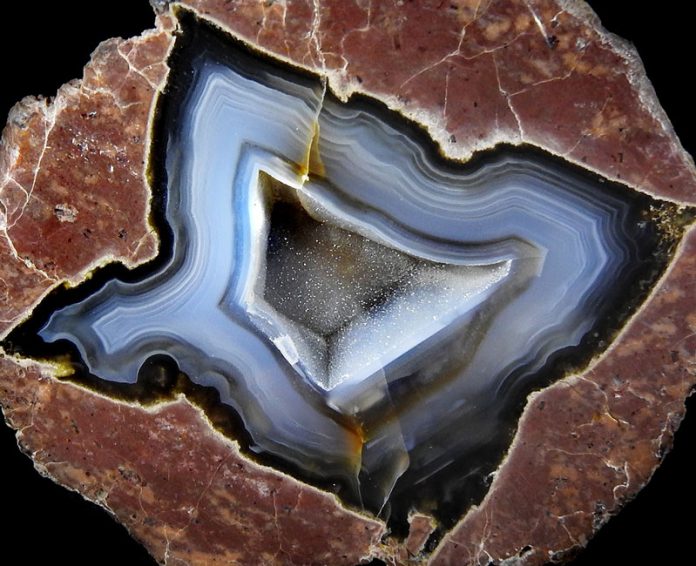
Quartz mineral varieties are usually thought of as large, single crystals. Microcrystalline quartz, however, is made up of crystal grains so small that an optical microscope is necessary to view the individual crystals. When those crystals are so small they cannot be seen individually, even with a specialized microscope, they are called cryptocrystalline. These forms of quartz mineral include familiar materials such as chalcedony, agate, jasper and chert.
Key Takeaways
- Quartz mineral varieties can form as microcrystalline or cryptocrystalline material rather than large, visible crystals.
- Chalcedony is a general term for microcrystalline and cryptocrystalline quartz with many color and pattern varieties.
- Agate, jasper, chert, flint, carnelian, onyx, chrysoprase and bloodstone are among the varieties associated with microcrystalline quartz.
- Some quartz mineral varieties, including bloodstone and sardonyx, are traditional birthstones.
Chalcedony: A Microcrystalline Quartz Mineral
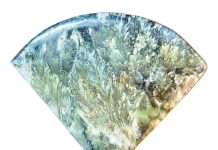
The general term, chalcedony, refers to varieties of quartz where microcrystalline and cryptocrystalline crystals intertwine and grow together. There are many varieties of chalcedony in different colors and patterns. They are plentiful and popular. Gem-grade chalcedony is generally light blue, white or gray and often called holly blue. Chalcedony’s name is said to come from the Greek port of Chalcedon.
Microcrystalline Quartz Mineral Varieties
Agate – Curved banded variety
Jasper – Opaque, red or green varieties
Chert – General name used for compact, hard rocks that contain microcrystalline quartz
Flint – A finer-grained, harder type of chert, Ohio’s official gemstone
Carnelian – Orange-red opaque mineral
Onyx – Parallel banded variety
Sardonyx – Red sard and white chalcedony
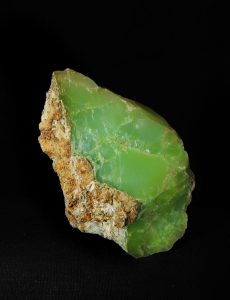
Chrysoprase – Translucent, apple-green color
Bloodstone – Dark green with red spots of iron oxide
Petrified Wood – Over time chalcedony replaces wood while preserving the growth rings
Micro Quartz Mineral Birthstones
Microcrystalline quartz has so many beautiful varieties that it’s often interwoven into our pop culture. It’s a happy birthday for these micro quartz birthstones – bloodstone (May) and sardonyx (August). Chalcedony itself is said to bring stability and balance to its bearer.
FAQs About Quartz Mineral Varieties
What is a quartz mineral?
Quartz is a mineral composed of silicon dioxide (SiO₂). It commonly forms as large crystals, but it can also occur as microcrystalline or cryptocrystalline material.
What is microcrystalline quartz?
Microcrystalline quartz consists of tiny quartz crystals that are too small to see individually without magnification. Chalcedony and several of its varieties are examples.
What are examples of microcrystalline quartz?
Examples include agate, jasper, chert, flint, carnelian, onyx, chrysoprase and bloodstone. Petrified wood can also form when chalcedony replaces the original wood.
What is the difference between microcrystalline and cryptocrystalline quartz?
The terms describe the size of the quartz crystals. Microcrystalline crystals can be seen with an optical microscope, while cryptocrystalline crystals are so small that they cannot be individually resolved even with specialized microscopy.
Quartz Mineral Varieties
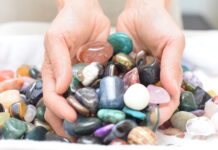
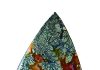
Quartz mineral varieties don’t always look like the familiar large crystals associated with quartz. When quartz crystals grow together on a microscopic or cryptocrystalline scale, they form materials with an enormous range of colors, patterns and textures. From banded agate and colorful jasper to translucent chrysoprase and red-spotted bloodstone, these varieties make microcrystalline quartz an important part of the collecting and lapidary world.
This story about micro quartz minerals previously appeared in Rock & Gem magazine. Click here to subscribe. Story by Richard Gross and Pam Freeman.