
Terroir is the story behind every sip of Snow Capped Cider. The next time you quaff a cider, thank a volcano. Also, thank volcanic basalt formed 10 million years ago in western Colorado, atop Grand Mesa. This is the largest flat-topped mountain in the world. There are hundreds of lakes above the Gunnison and Colorado River valleys along this hard, rugged line of mountains at elevations of 6,000 to 11,000 feet.
But… apples? Peaches? And pears? Oh my…
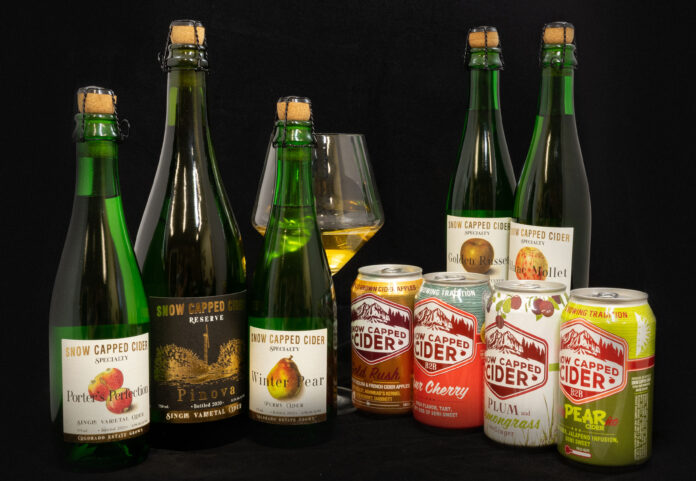
At the base of Grand Mesa, at 6,130-feet elevation of its own, Snow Capped Cider’s orchards in Cedaredge and throughout Delta County have crafted one of the highest-elevation award-winning cideries in the world. At the 2025 GLINTCAP International Cider and Perry Competition, Snow Capped Cider was named Mid-Size Cider Maker of the Year for a second consecutive year and received a record-setting 10 Best in Class awards.
For five generations, its unlikely orchards, atop ancient volcanoes, have brought “boom times” to cider making.
Key Takeaways
- Terroir refers to the combined natural factors—climate, soil, elevation and water—that shape the character of agricultural products like cider.
- Grand Mesa’s volcanic history created basalt-rich soils that influence drainage, mineral content and overall orchard conditions.
- High elevation in Colorado contributes to strong temperature swings, increased UV exposure and longer ripening periods for fruit.
- Snow Capped Cider’s orchards benefit from gravity-fed snowmelt water, which provides a direct, untreated irrigation source.
- Soil salinity is a known agricultural challenge in parts of Colorado, and volcanic soils like basalt can help improve soil structure and fertility.
- Fruit grown under these conditions often develops brighter flavors, higher sugar content and strong aromatic expression.
- Terroir in cider is not just about soil—it’s the full environmental system working together over time.
Snow Capped Cider
Grand Mesa Geology & Colorado Terroir
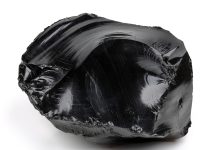
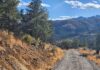
The story of Grand Mesa began 10 million years ago, as dozens of lava flows erupted from vents known today as the Crag Crest Trail, a 10.3-mile National Recreational Trail in Cedaredge, Colorado, with 100-mile views on a clear day. But more interesting is the story underfoot, where lava spilled out in layer upon layer, creating a thick basalt cap more than 310 feet thick.
“Basalt is the hard dark igneous rock formed when lava (magma) cools on or near the Earth’s surface and this resistant basalt layer,” a 2007 abstract by the Geological Society of America noted, “Suppressed erosion compared to the surrounding sedimentary rock layers, which suffered rapid downcutting (erosion by water) from the action of the Colorado and Gunnison rivers.”
Erosion, noted a 2017 New Mexico Geological Society Field Conference Series submission, ‘Geochemical and geochronological characterization of Grand Mesa Volcanic Field’, reduced flows from this Grand Mesa volcanic field, presumed to have originally covered 500 square miles, down to just 64 square miles.
What remains reads like a geologic time capsule. The basalt sits atop a thick sequence of Eocene shale and sandstone known as the Green River and Wasatch Formations; these rest on a Cretaceous layer known as the Mesaverde Group, which forms a cliff halfway up the side of the mesa. Yellow and gray layers of Mancos Shale dating to the late Cretaceous age spread out from the base of the mesa and into the surrounding valleys, enriching the soil for agricultural endeavors.
How Grand Mesa Shapes Orchard Terroir
Because what was up is now down and what was down is now up, thanks to a process known as topographic inversion. The rounded river cobbles beneath Grand Mesa’s basalt cap belie the region was still a valley when the first volcanic eruptions occurred, cited Travels in Geology: A Tale of Two Rivers: Grand Junction, Colorado, in EarthMagazine.org.
“This means,” authors Lon Abbot and Terri Cook wrote, “that what was once the lowest point in the landscape is now the highest, with the Colorado River having incised approximately 1,500 meters since the basalt flow, resulting in an average down-cutting rate of about 140 meters per million years.”

Snow Capped Cider
How Terroir Shapes Snow Capped Cider
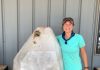
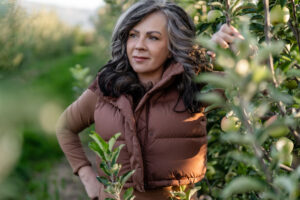
High slopes have everything to do with high flavor, says Kari Williams, owner and Head Cider Maker at Snow Capped Cider. She identifies elevation and altitude as among the essential ingredients to a winemaking equation known terroir.
Terroir means the combination of natural factors – from climate to soil to elevation – that go into the production and character of a wine or (in this case) cider. The term, dating to the 12th century in France for “a sense of place,” evolved by the 17th century to refer to a region’s soil, and by the 20th century, the concept of terroir included the complete natural environment of a vineyard or an orchard.
“Our unique terroir benefits from high altitude, warm days, cool nights, and – for 60 years – gravity-fed mountain water,” said Kari. “This perfect combination creates ciders that are crisp, clean and perfectly balanced. Water from Grand Mesa’s snow melt makes no stops; there’s no water treatment. We’re in a desert environment and have spent 60 years piping our orchard. Our water comes from direct snowmelt. Growing at this elevation makes fruit hyper-expressive and flavorful.”
Basalt Soil, Sunlight & Fruit Flavor
Gravity-fed water is a special boon because one of the greatest soil challenges in Colorado is from salt (saline).
Salinity issues in Colorado are nothing new, as noted in Volume 12, Issue 6 of Agronomy News from the Colorado Department of Education: “The Colorado River typically contains about 500 ppm TDS (total dissolved solids) on the West Slope near the Utah Line. Salinity problems in this area are due in part to deep percolation of irrigation water picking up fossil salts from the Mancos Shale, an ancient sedimentary marine deposit.”
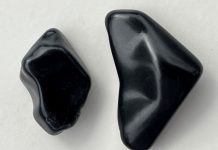
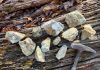
Enter basalt, whose volcanic composition corrects soil pH and improves porousness, sequesters carbon, reduces nitrogen leaching, and improves water filtration and aeration. High in iron, magnesium and calcium (but low in potassium and sodium), basalt weathers into silt and clay with superb moisture retention and soil fertility, leading to higher vigor and higher yields in orchards grown in basalt-based soil.
Also sweetening this cider-making pot is elevation, because the steep slopes carved into Grand Mesa millions of years ago provide the perfect setting to receive the sunshine and degree of ultraviolet (UV) light necessary to coax maximum sugar content from fruit. Exposure to UV light leads to increased levels of sugars like fructose, glucose and sucrose in fruit (increasing sweetness) as well as the ripening and coloration processes that influence taste.
The result is a basaltic “beach” perfect for sun bathing cider-specific fruit.
Snow Capped Cider
Why Colorado Terroir Matters in Cider
“The unique high UV exposure, climate of high elevation, warm days, temperature shifts, and cool nights capture the crisp essence of Colorado, with trees spending more time in the recovery and growth periods, producing a clean and balanced cider,” said Kari.
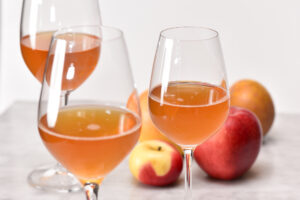
Pioneers in Colorado’s fruit-growing history, the Snow Capped family farms have nurtured over 100 apple and 40 peach varieties, including cider-specific apples, perry pears, and many heritage and cider-specific fruits.
“It’s a labor of love. The apple tells me what it wants to be,” she concludes. “Our Colorado ciders are the culmination of over a century of fruit-growing expertise.”
Give or take a few million years of volcanoes…
Learn more about Grand Mesa and Snow Capped Ciders at snowcappedcider.com.
This story about Terrior Firmer appeared in Rock & Gem magazine. Click here to subscribe. Story by L.A Berry.