
Crystals for love offer a meaningful way to celebrate relationships of all kinds—romantic, familial, and personal—without being tied to a specific holiday or occasion. Whether given as a gift or chosen for personal use, stones have long been valued for their beauty, durability, and symbolic connection to human emotion.
Unlike perishable gifts such as candy or flowers, crystals for love can be set into pendants, rings, or kept as cherished keepsakes, serving as lasting reminders of connection. Beyond symbolism, many people believe certain stones can support emotional balance, strengthen bonds, or encourage self-reflection. Regardless of how they are used, selecting the right stone for the right relationship remains key.
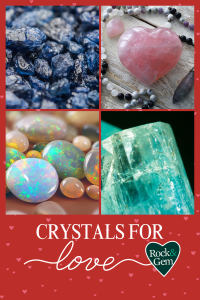
Who Gets Which Stone?
When choosing crystals for love, context matters. A stone selected for a life partner will differ from one chosen for a parent, close friend, or oneself. Understanding the nature of the relationship—and the intention behind the gift—helps narrow the options.
For example, moldavite and morganite are both associated with themes of love, yet they are often chosen for very different purposes. Moldavite is frequently linked to transformation and change, while morganite is commonly associated with compassion, emotional calm, and long-term connection. Either may be appropriate depending on the relationship and desired symbolism.
Who you love and how you love them ultimately determines which stone is the best fit.
Picking the Perfect Stone
Relationships are nuanced, and selecting crystals for love begins with acknowledging that complexity. Consider whether the relationship is romantic or platonic, long-standing or evolving, or whether it involves healing, renewal, or self-care.
Some stones are associated with unconditional love, while others are thought to support trust, communication, or emotional balance. Rose quartz, for instance, is often linked to compassion and harmony. It is commonly chosen for romantic relationships, family bonds, or as a reminder to practice self-love.
It’s also worth noting that one stone can serve multiple purposes, depending on how it is used and the intention behind it.
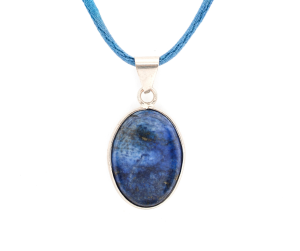
A Stone’s Elemental Nature & Chakras
How crystals for love are believed to work depends on several factors, including the characteristics of the stone, personal intention, and method of use. Many traditions associate stones with elemental categories—earth, fire, water, wind, and storm—as well as with energy centers commonly referred to as chakras.
According to yoga philosophy, there are seven primary chakras: crown, third eye, throat, heart, solar plexus, sacral, and root. While not always listed among the primary chakras, the soul star chakra is sometimes referenced in discussions of relationships and emotional connection. Each element and chakra is thought to relate to different aspects of physical, emotional, mental, and spiritual well-being.
Adobe Stock / lilburd
Crystals for Love: Using the Stone
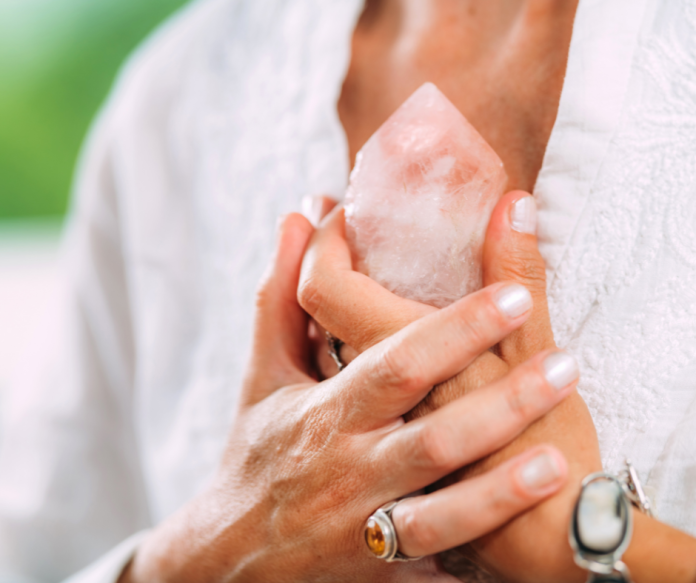
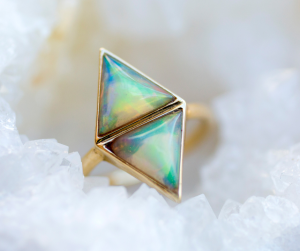
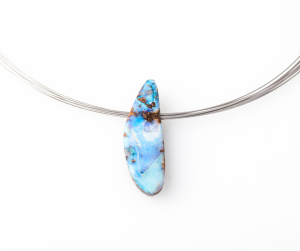
Crystals for love are commonly worn as jewelry, carried as pocket stones, or placed within the home. Jewelry positions stones close to the body, while placement within a space allows them to serve as visual and symbolic reminders of intention.
Some people choose heart-centered stones such as morganite, opal, or rose quartz for jewelry worn near the chest. Others prefer meditation practices, holding a stone while focusing on intention. Placement within the home—such as in areas traditionally associated with relationships—remains a popular approach for those who follow feng shui principles.
Adobe Stock / jbphotographylt
Crystals for Love: Selecting a Stone
When choosing crystals for love, many practitioners recommend selecting stones you feel naturally drawn to. Holding the stone and reflecting quietly on your intention can help determine whether it feels like a good fit.
Because crystals are believed to retain energy, some people cleanse and recharge stones before use. Common methods include gentle rinsing (when appropriate for the stone), moonlight exposure, or simply setting an intention for renewal.
Stones such as pink carnelian are often associated with nurturing bonds, while sapphire has long symbolized loyalty and enduring connection. Aquamarine is frequently linked to calm and clarity, making it a popular choice for those seeking balance during stressful periods. Earth-element stones, including red beryl, are sometimes chosen to support stability and foundational change.
Not currently in a relationship? Placing a piece of rose quartz crystal near your bed or in the love and marriage corner of your house can bring love your way. Jewelry containing rhodochrosite or rose quartz stone also works well.
Don’t Forget Yourself
Crystals for love are not limited to relationships with others. Practicing self-care and self-reflection is an important part of emotional well-being.
Aragonite is often associated with grounding and stress relief, while lepidolite is commonly linked to emotional balance and restful sleep. These stones may be worn as jewelry, carried as talismans, or placed nearby during rest or meditation.
Taking time to recharge—whether through quiet reflection or meaningful objects—helps strengthen all forms of connection.
Crystals for Love: Frequently Asked Questions
What are the most popular crystals for love?
Rose quartz is one of the most widely recognized crystals for love, often associated with compassion and emotional balance. Other commonly chosen stones include morganite, rhodochrosite, sapphire, and aquamarine.
Can crystals for love be used as gifts?
Yes. Crystals for love are frequently given as jewelry or keepsakes because they are durable, meaningful, and suitable for a wide range of relationships.
Do crystals for love have to be worn to be effective?
Not necessarily. Some people prefer to wear crystals as jewelry, while others place them in the home, carry them as pocket stones, or use them during meditation or reflection.
This story about crystals for love previously appeared in Rock & Gem magazine. Click here to subscribe. Story by Kris McElhinney.