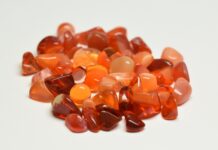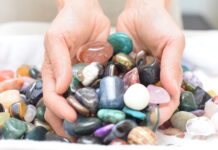

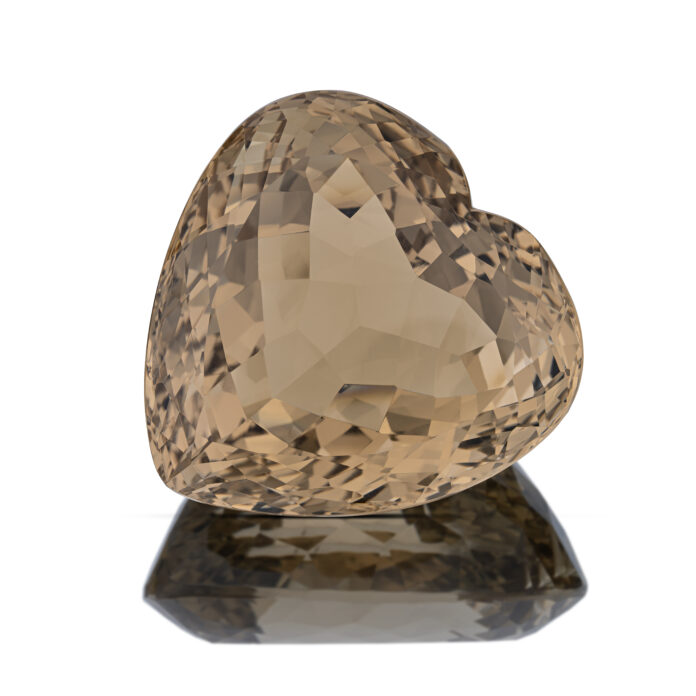
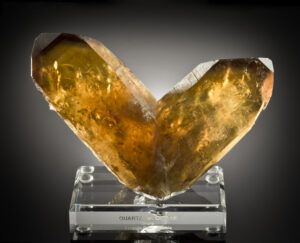
Citrine quartz is a yellow to orange variety of quartz (SiO2). It ranks a 7 on the Mohs hardness scale. True natural citrine ranges in color from pale lemon to deep golden honey, with transparency from translucent to transparent and a vitreous luster. Crystals often form in prismatic shapes with six-sided symmetry.
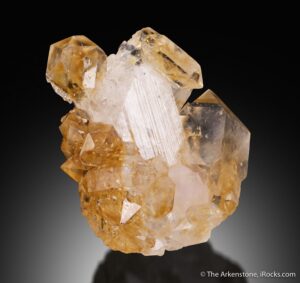
Arkenstone, iRocks.com
Key Takeaways
- Citrine quartz is a yellow to orange variety of quartz colored by trace amounts of iron and natural heat within the Earth.
- Natural citrine is relatively rare, with notable sources including Brazil, Madagascar, Zambia, Russia and Spain.
- Much of the citrine sold today is heat-treated amethyst or smoky quartz rather than natural citrine.
- Natural citrine typically displays pale yellow to golden honey colors, while treated material often shows deeper orange or reddish tones.
- Understanding color, crystal habit and treatment disclosure can help collectors identify genuine citrine quartz gems.
Citrine Quartz Formation & Origins
Composed of silicon dioxide, natural citrine forms when trace amounts of iron are incorporated during crystallization, followed by exposure to natural heat from the Earth. This heating alters the iron’s oxidation state, producing citrine’s characteristic yellow hues. Although quartz is a common mineral, genuine citrine is relatively rare.
Notable natural sources include Brazil, Madagascar, Zambia, Russia and Spain. Historically, citrine has been known and used since ancient times, valued for both its beauty and perceived protective qualities. The name comes from the French word citron, meaning lemon.
Uses of Citrine Quartz in Jewelry & Collections
Citrine’s primary use is decorative and is popular as a gemstone in rings, pendants, earrings, and beads because it is durable enough for jewelry and everyday wear. Its warm color pairs well with both yellow and white metals. Larger crystals and clusters are also popular among mineral collectors.
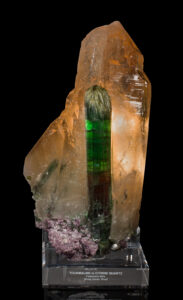
Arkenstone, iRocks.com
Metaphysical Lore of Citrine Quartz
In crystal lore, citrine is often associated with abundance, creativity and personal power. It is sometimes called the “merchant’s stone,” believed to attract prosperity and success.
Natural Citrine Quartz vs Heat-Treated Amethyst
Much of the “citrine” on the market is not natural. The most common imitation is heat-treated amethyst or smoky quartz, which turns yellow or orange when exposed to high temperatures. Less commonly, quartz may be artificially irradiated to enhance or alter color. Heat-treated amethyst and smoky quartz are still quartz and perfectly acceptable in jewelry, just not the same as natural citrine.
Citrine Quartz Collector’s Notes
Because natural citrine is scarce, provenance, color consistency, and crystal habit are key indicators of authenticity. Understanding the difference between natural and treated material helps collectors make informed choices and appreciate citrine for its beauty. Collectors should expect that natural, untreated citrine is far more expensive than the heat-treated counterpart.
Arkenstone, iRocks.com
How to Identify Real Citrine Quartz
1. Color of Natural Citrine Quartz
Natural citrine typically appears pale yellow to soft golden honey. Bright orange, reddish-brown, or “burnt” tones are strong indicators of heat-treated amethyst.
2. Base Characteristics of Citrine Quartz
Heat-treated amethyst typically shows a white or milky base with concentrated color near the crystal tips. Natural citrine usually displays more even color throughout the crystal.
3. Crystal Habit of Citrine Quartz
Natural citrine is more often found as individual single crystals or small clusters. Large, dramatic geodes labeled as citrine are almost always treated amethyst.
4. Treatment Disclosure in Citrine Quartz
Most commercial citrine on the market has been heat-treated. Reputable dealers will disclose whether a stone is natural or treated.
5. Rarity of Natural Citrine Quartz
If the price seems too good for richly colored “citrine,” it probably isn’t natural.
Frequently Asked Questions
What is citrine quartz?
Citrine quartz is a yellow to orange variety of quartz (SiO2). Its color is produced by trace amounts of iron that have been altered through natural heating processes within the Earth.
Is natural citrine rare?
Yes. While quartz is abundant, natural citrine is relatively uncommon. Most citrine available in the gemstone market is heat-treated amethyst or smoky quartz.
How can you tell if citrine is natural?
Natural citrine usually displays soft yellow to golden hues and more even coloration throughout the crystal. Heat-treated amethyst often shows darker orange tones and concentrated color near the crystal tips.
Is heat-treated citrine real quartz?
Yes. Heat-treated citrine is still quartz. However, it is not considered natural citrine because its color was produced through artificial heating rather than natural geological processes.
Where is citrine quartz found?
Important sources of natural citrine include Brazil, Madagascar, Zambia, Russia and Spain. Smaller deposits occur in other quartz-producing regions around the world.
Final Thoughts
With its warm golden hues and long history of admiration, citrine quartz remains one of the most recognizable varieties of quartz. While natural citrine is relatively rare, understanding its formation, appearance and common treatments can help collectors distinguish genuine material from heat-treated alternatives. Whether appreciated as a gemstone, mineral specimen or collector’s treasure, citrine quartz continues to be valued for its beauty, durability and unique place in the quartz family.
This citrine quartz field guide previously appeared in Rock & Gem magazine. Click here to subscribe. Story by Dr. Stuart Mills and Pam Freeman.