
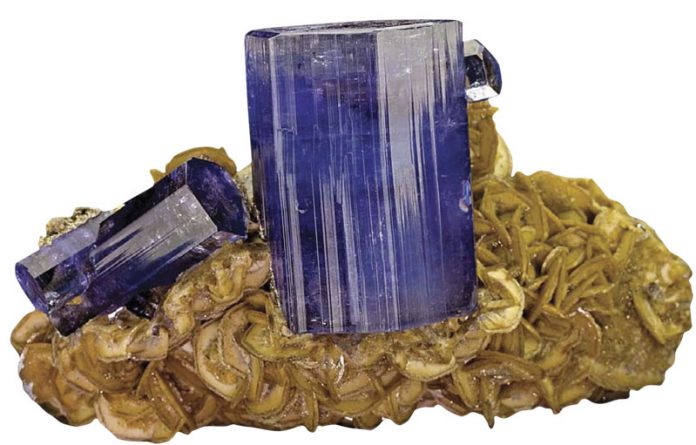
Fine minerals are a fascinating niche for collectors of all experience levels, and these 10 tips will help ensure your purchases pay off in the end—whether you’re just starting out or already seasoned.
These minerals attract a passionate global community of collectors, dealers and investors. Some come from backgrounds in geology, mining and field collecting, while others simply took a love of rocks to the next level. Despite spanning every corner of the world, this community often feels like one family that welcomes newcomers with open arms.
Fine minerals offer more than just visual appeal—they invite thoughtful consideration before you begin collecting. Here are a few key points to help you decide whether fine mineral collecting is the right fit for you.
Key Takeaways
- Fine minerals are natural, one-of-a-kind collectibles shaped by geological processes over millions of years.
- Defining your collecting goals early helps guide smarter purchases and long-term satisfaction.
- Quality often matters more than quantity when building a fine minerals collection.
- Learning from dealers, museums and shows can sharpen your eye and deepen your knowledge.
- Proper labeling and cataloging preserve provenance and long-term value.
1. Why Fine Minerals Are a Unique Collectible
Unlike most collectibles, fine minerals are not man-made. They are earth’s one-of-a-kind, natural sculptures and treasures, formed in the rough over thousands or millions of years in a combination of fluid, heat and pressure. Like other collectibles, however, their value may vary according to rarity, beauty, quality and condition, origin, size, shape or form, balance on the matrix or base, “gemminess” or transparency, and provenance.
2. Evaluating Your Interest
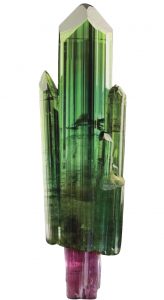
Like many of today’s collectors, maybe you have a passion for the hunt. Or maybe you fell in love with a beautiful red rhodochrosite or a multicolored tourmaline and decided to find out more about it. Or maybe you discovered a beautiful little quartz when you were a child and, through collecting, you’ve rediscovered that sense of wonderment. Whatever your motivation, it’s good to analyze what prompts your interest in starting a collection. The basis of your interest will play a role in what drives your focus.
3. How to Focus Your Fine Minerals Collection
Regardless of what you collect, you are limited in terms of time, storage space and funds. Therefore, it’s wise to think through, early on, why you are collecting fine minerals and what your collection should include. Maybe you want to collect specimens by type, by color, by locality, or even by size. Dr. Rob Lavinsky, the owner of The Arkenstone, suggests you “decide whether your goal is to be an investor of pieces that are of value, or a collector of pieces you love; sometimes you can do both, but articulate what your goal is.”
4. Planning a Budget for Fine Minerals
As you start collecting, you’ll realize that some of the best-quality specimens can quickly eat up your annual budget. While legendary collector Dave Wilber will readily tell you it’s “OK to start small”—and it is—do you want a variety of lower-quality specimens to “fill out” a sample collection, or do you want a few higher-quality showpieces?
5. Resources for Learning About Fine Minerals
Yes, there are great books on fine minerals, but also subscribe to a mineral-collecting publication like Rock & Gem. Network with potential mentors, dealers and curators at your local gem and mineral society, and develop context by seeing as many collections as you can in person.
Consider attending regional mineral shows as well as one or more of the big four international shows: The Tucson Show (the largest mineral show in the world), The Munich Show in Germany, The Denver Mineral Show, and St. Marie-Aux-Mines in France. Join forums, like Mindat.org, where you can ask questions and learn from experienced collectors. And check out some of the great online mineral auctions held by Heritage Auctions or The Arkenstone to see the latest specimens and get a feel for pricing.
6. Where to See Fine Minerals in Museums
Seek out the gem and fine mineral exhibits, large and small; curators are another good educational source. Of course, there’s the Smithsonian National Museum in Washington, D.C., but also the Perot Museum in Dallas; The Natural History Museum in Los Angeles; the Rice Northwest Museum in Oregon; the W.M. Keck Museum in Reno, Nevada; the University of Arizona Mineral Museum in Tucson; the Houston (TX) Museum of Natural Science; the American Museum of Natural History in New York City; and the Denver Museum of Science & Nature, to name just a few.
7. Building Relationships with Mineral Dealers
Dealers make a point of attending many of the national and international trade shows and symposiums, and sometimes visit the mines from which they get their specimens. Let a dealer you respect know what you’re looking for, and they can keep an eye out for you. Their websites are also wonderful resources for photo galleries, articles, news about finds and forums.
8. How to Buy Quality Fine Minerals
As you learn about mineral characteristics and what constitutes a quality fine mineral, buy the best you can afford. You can purchase from dealers, from other collectors or from online auctions. High-quality fine minerals can also be purchased through reputable and well-known auction houses like Heritage Auctions, based in Dallas, which now holds at least two large fine mineral auctions annually.
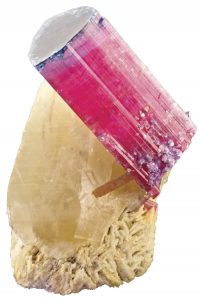
9. Why Labels Matter for Fine Minerals
Hopefully, all the minerals you buy will come labels specifying the mineral type, origin (name and location of the mine), when it was mined, its history (previous owners), its current owner, etc. This is part of the specimen’s provenance and helps to value your piece. Who knows? Your piece might have been owned by Andrew Carnegie, Washington Roebling (builder of the Brooklyn Bridge), famous pianist Roger Williams, or composer James Horner, all of whom were avid fine mineral collectors. Keep that label with the specimen, but also note when you purchased it and at what price.
10. Cataloging Your Collection
Once you’ve collected a handful of specimens, number them and start compiling your own catalog of all the information on the labels. Eventually, you’ll be able to search this database by type, color, origin, etc., and if you ever sell your collection, your catalog becomes part of the provenance.
FAQ: Fine Minerals
What are fine minerals?
Fine minerals are high-quality mineral specimens valued for their aesthetics, rarity and condition. Unlike common rock samples, they are often display-worthy pieces prized by collectors and museums.
How do you start collecting fine minerals?
Start by identifying what draws your interest—color, mineral type, locality or size. Then research, visit shows or museums, and buy from reputable dealers while staying within a set budget.
Are fine minerals a good investment?
Fine minerals can appreciate in value, especially rare or high-quality specimens with strong provenance. However, most collectors recommend buying pieces you enjoy first, with investment potential as a secondary benefit.
Where can you buy fine minerals?
You can purchase fine minerals from reputable dealers, mineral shows, online auctions and specialized marketplaces. Building relationships with trusted sellers is key to finding quality specimens.
What makes a fine mineral valuable?
Value is influenced by factors such as rarity, crystal quality, color, size, condition, locality and provenance. Well-documented specimens from famous mines or collections often command higher prices.
This story about collecting fine minerals appeared in Rock & Gem magazine. Click here to subscribe. Story by Bryan Swoboda.