

Have you ever wondered where some of the weird names for paint colors and crayons come from — Burnt Sienna, Umber, Cobalt Blue, Red Ochre, Coal Black and Titanium White? The names sound cool, but they’re not just for fun. These names have a connection to how they’re made — they come from the minerals used to make the pigments that give color to the paint and crayons.
While we have nicely packaged, brightly-colored paints and crayons today, people have been creating art for thousands of years without store-bought items. It all started with rocks and dirt. Think petroglyphs and pictographs. People crushed rocks into powder, mixed the powder with water, and started creating art on the walls of the caves they called home.
Common Colors for Paint
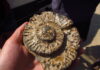
Ochre – Ochres are earth minerals made of ferrous oxide (rust) mixed with sand and clay. They come in shades of red, yellow, brown and orange.
Sienna – The color Sienna came from Siena, Italy, and the color can be seen in the buildings made from the local earth and clay.
How Minerals Create Paint Colors
By 600 A.D., more colors had been discovered by crushing minerals. For example, Lapis lazuli was used to make a deep, bright blue. It was also called Ultramarine, which means “across the sea.” This makes sense because long voyages had to be made to get the stones, which are mainly found in Afghanistan.
Ultramarine blue from lapis lazuli was even more precious and expensive than gold! It was saved for special paintings, such as Christian paintings of the Virgin Mary.
Malachite makes a beautiful green and cinnabar can be crushed to make a deep, dark red.
Toxic Minerals Once Used in Paint Colors
Most pigments today are synthetic, meaning man-made, but safe natural minerals like ochres are still used. It was found over time that some natural mineral pigments are toxic and harmful to people.

The U.S. Capitol building was once coated in bright white lead paint. Lead was used in paint because of the brilliant white color it achieved. For years, no one associated the lead with the ailments that many painters got. Now we know that lead is deadly, and it’s no longer in use in paint!
School buses used to be covered in a toxic chromium paint that was called School Bus Chrome. Not anymore! Thankfully, the same yellow can now be made safely. All children’s paints and crayons are non-toxic now, as well as many paints for adults.
Scheele’s Green, made from copper, sodium carbonate and arsenious oxide, has been implicated in the death of the French emperor, Napoleon. His entire house was painted with this vibrant green that, unfortunately, releases the poison arsenic into the air.
Frequently Asked Questions About Paint Colors
What minerals make paint colors?
Many traditional paint colors come from minerals found in rocks and soil. Ochre comes from iron-rich earth, lapis lazuli creates blue, malachite makes green, and cinnabar was once used for red.
Are paint colors still made from minerals today?
Some are. Natural earth pigments like ochre are still used, but most modern paint colors are made from safe, man-made pigments that copy the look of mineral colors without the risks.
Why are some paint colors named after places?
Colors like Sienna and Umber were named after the places where the mineral-rich earth was first found. The natural soil in those areas created pigments with unique colors.
Were mineral paint colors dangerous?
Some were. Minerals like lead, arsenic, and chromium were once used to make bright paint colors, but they are now known to be toxic and are no longer used in modern paints.
What is the oldest paint color ever used?
Red and yellow ochre are among the oldest paint colors. People used them thousands of years ago by crushing rocks into powder and mixing them with water or animal fat.
This Rock & Gem Kids column about what minerals make paint colors previously appeared in Rock & Gem magazine. Click here to subscribe. Story by Sally Williams.