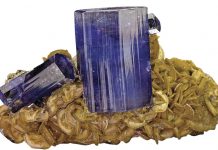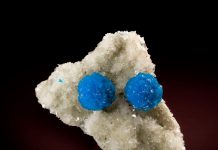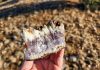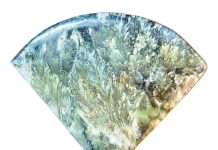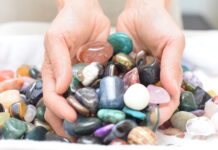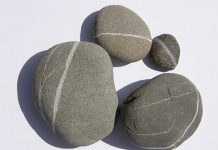

Rock collecting is a fun and rewarding hobby for beginners and seasoned enthusiasts alike. Whether you’re drawn to sparkling minerals, fascinating fossils, or colorful rocks from your local area, collecting gives you a hands-on way to explore the natural world. From finding specimens in the field to buying, trading, and carefully cataloging them, rock collecting allows you to build a collection that’s uniquely yours — and full of discoveries along the way.
What Kind of Collection Do You Want?
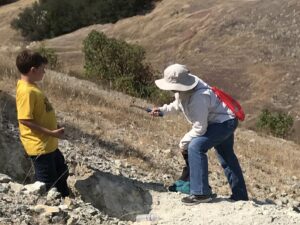
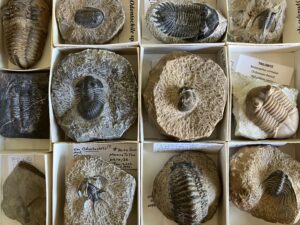
A collection can be a mishmash, but because it’s impossible for one person to collect every mineral or fossil in existence, most specialize, focusing on just one or a few areas, for instance, trilobites, agates or fluorescent minerals. Some focus on specimens they’ve personally found. Some collect only from a certain location, like a region or even just one quarry. Ultimately, your collection should reflect you. What excites you the most? Figure that out and collect it.
How to Get Started in Rock Collecting
You have three options to accumulate specimens: find them, buy them or trade for them.
- Self-Collecting: This can be the most fun option. But where do you look? Check with a mineral society, state geological survey, read guidebooks or find a local rock club. The American Federation of Mineralogical Societies has a tool on its website listing clubs across the U.S.
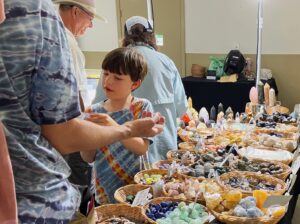
- Buy Rocks: Check out gem shows, rock shops, and online dealers like Amazon and MineralAuctions.com. For a long time, I only collected fossils I found myself. But when I saw all that I was missing, I soon began buying fossils from around the world. On a kid’s budget, there’s bound to be a lot that’s out of reach, so look for sales and put the big items on your gift wish list. Decide what you really want and shop smart.
- Make Trades: A fun way to get new specimens is by trading your extras with other collectors. If you have a collection with extras, you can get rid of them for new specimens and maybe gain a new friend.
Finding, Buying, and Trading Specimens
When rock collecting, strive to learn, not just collect. Identify specimens and record observations about them. Rock collecting isn’t just about getting stuff; it’s an opportunity to learn outside of school. Get a mineral or fossil identification guidebook. If you’ve got the cash, you can buy one, but remember, these also make good birthday and holiday gifts. Make sure people know this is on your list. Many good ones are out there, from door-stopping encyclopedias to little handbooks that slip easily into a pocket. A good place to start is the library. Check out a few different books and see what you like best. Also, seek advice from rock club members and consult online resources. Whichever route you go, once you’ve identified a specimen, keep a label with it.
Rock Collecting: Identifying Your Rocks, Minerals, and Fossils
Properly caring for (curating) a collection improves its value. First, number your specimens. Most folks dab white enamel paint on a spot that won’t show if the specimen is exhibited and write a number in permanent black ink. Enter each number into your catalog with key information. For minerals, what is it and where did it come from? For fossils, also include age and scientific name. Labels for a lapidary project might include what it is, what it’s made from, when it was made and who made it. Add anything you consider significant for each specimen. For instance, if you purchased it, include the date of purchase and price. The key is to record essential info that’s all too easy to forget down the road.
Strive to make cataloging a routine part of your collecting activity. Detailed information can be kept using notecards, notebooks or loose-leaf binders, but in today’s world, every catalog should be computerized. You can use database functions to create your own electronic catalog, or you can turn to ready-made software. For instance, Carles Millan has created free cataloguing software that can be downloaded at http://carlesmillan.cat/min/main.php.min/main.php. Another free collection management tool with the capacity to generate specimen labels is available at Geology365, https://www.geology365.com/. With a computerized database, you can edit and quickly pull up desired fields. If you have a quartz collection, you might want to pull up records for just amethyst for a special display. A computerized database makes it easy.
Storing Your Rock and Mineral Collection Safely
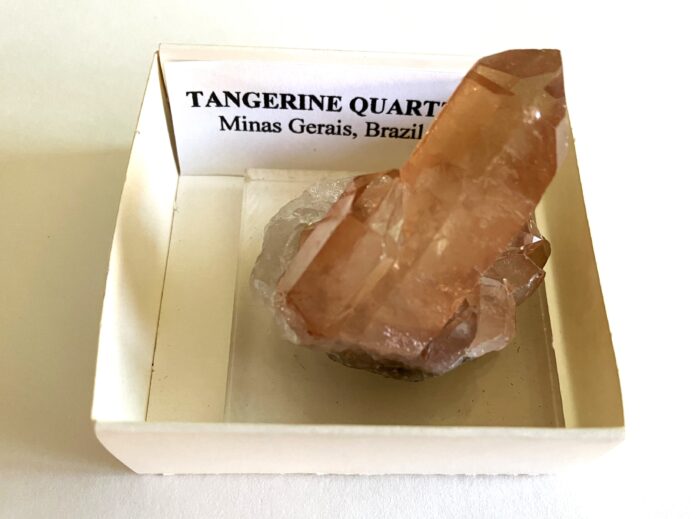
When storing your collection, the key goal is to protect specimens while making them easy to find. Each should be in its own small box. The small boxes might then be kept in shoe boxes, flats, shallow shelves, or whatever works best for you and the space you have. Simple egg cartons work well for small specimens. The individual cups separate each mineral or fossil. And that’s the main thing in choosing a storage method: keeping individual specimens separate so they don’t scratch one another and the labels don’t get mixed up. Actually, mixing up labels isn’t a problem if you’ve numbered each specimen and have recorded that number in a catalog. Another storage option is the plastic box like the kind sold in craft stores with a hinged lid and square compartments.
Lapidary supply houses and dealers at some shows sell fold-up cardboard boxes in varied sizes. You can collect small cardboard containers whenever you can: greeting card boxes, match boxes, or the cut-off bottoms of juice or milk cartons make great specimen containers. Boxes that hold reams of printing paper make great flats by trimming the bottom down to match the top to create a perfect storage box with lid. More sophisticated is a Riker mount with a cardboard bottom filled with cotton. Specimens are arranged atop the cotton, then a top with glass is fitted over and held in place with pins.
High-Grading for the Best Collection
As your collection grows, keep only the best so that its size stays manageable. If you have multiples of particular things like quartz crystals from the same locality, trade extras. It’s a fun way to connect with kindred enthusiasts. Be guided by the following phrase: Keep the best; trade the rest! Before you know it, you will indeed have the best collection.
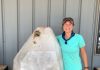
(Photo courtesy of Arthur Lopez.)
Rock Collecting Tips From Young Collectors
Junior members of the Ventura Gem & Mineral Society in California offer their thoughts on what and how to collect.
Connor (age 6) likes to collect minerals of all sorts. His advice? When you go to pick out a crystal, choose the one that makes your heart feel the most happy.
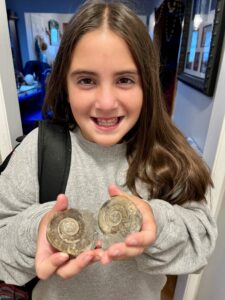
Skyla (age 9) collects quartz and fossils, especially ammonites. To store a collection, she suggests egg cartons, cardboard boxes or a shelf. If just starting, look for what you like. Maybe your favorite color or the colors of the rainbow no matter the mineral’s shape or size. Don’t let people tell you what you should collect. Always listen to your heart and choose what makes you happy. Remember always to be your number one fan and have fun collecting.
Lucia (age 14) has collected hundreds of specimens. Her favorite? Fossils. Their stories intrigue her, imagining how an alien-like organism lived in a world so different from ours. Her advice? Explore the world and new opportunities, be it beaches, deserts, mountains or club rock shows. While YouTube videos are great, it’s better to get out with tools as simple as gloves and a bucket.
So just get out there! You’ll find interesting specimens, interact with people, and make great memories.
|
Go in depth for more advice with reference works like the following. Books:
Websites: |
This story about rock collecting and building the best collection previously appeared in Rock & Gem magazine. Click here to subscribe. Story and photos by Jim Brace-Thompson.