
Gemstone rings can get wet, but not all of them are water-friendly! Some stones can handle a little water, while others need more care. Before washing your hands or jumping into the shower, it’s good to know what your ring can handle. It really depends on the type of gemstone, the metal, the finish, and whether that stone itself has been treated. It’s better to be safe and protect your gems from being damaged – especially if it’s expensive (or irreplaceable because of sentimental value!).
Does That Mean Water Is A Problem?
Water alone may be safe, but the things found in it can still cause damage. Soap, shampoo, chlorine, salt, and cleaning agents may affect the stone or the metal. Water can also stay under the gemstone and leave behind dirt which makes the ring look less shiny.
What to watch out for:
Soap and shampoo: They can leave a film on the gemstone.
Lotion: It can leave a layer and make it more dull.
Chlorine: It may damage certain metals, finishes, and jewelry materials.
Salt water: It can leave salt residue and contribute to corrosion in some metals.
Heat and repeated moisture: Holds a risk for certain delicate or treated stones.
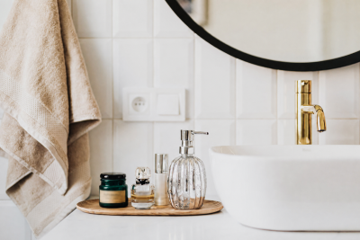
Removing your ring before washing or using with chemicals is a simple way to prevent damage later, and make it more long lasting. A little extra care goes a long way in keeping your favorite jewelry shiny and beautiful!
Not All Gemstones Are the Same
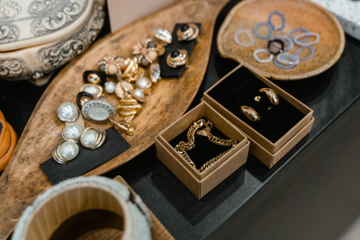
Gemstones also come in all kinds of colors and are made of different materials. Some get their color from tiny amounts of minerals while others have their own natural shades. These differences can affect how each stone reacts to water, heat, and daily wear. So even if two gemstones look alike, they may need very different care!
Some gemstones are stronger than others, so it helps to know what stone you have. Sapphire, garnet, and quartz are quite tough, but they can still get damaged. Other stones need a little extra care to be sure it’s still in good condition.
Sapphire: Generally durable, although treatments can affect its care.
Garnet: If you are choosing garnet rings from Drunk Angel, check the gemstone and metal details of the individual piece before deciding how to clean it. Care should suit the whole ring, including its setting and finish.
Quartz: Often durable enough for everyday use, depending on its condition.
Moonstone and labradorite: Need care because they can chip or crack if hit.
Opal: May be sensitive to changes in temperature and moisture, depending on its type.
Turquoise: Can be porous and may be affected by chemicals or treatments.
Fluorite: Relatively soft, so it scratches and chips more easily.
Keeping silver jewelry shiny and clean is easy with a little care. Start by wiping it with a soft, dry cloth to remove dirt and buildup. If tarnish appears, gently polish it with a silver cleaning cloth or a jewelry care kit. You can also use a cleaner for silver pieces that are safe for this cleaning method.
One important thing to remember is that hardness does not mean a gemstone is waterproof. A stone may resist scratches but still be sensitive to chemicals, cracks, or changes in moisture. Learning about your specific gemstone is much more helpful than following one rule for every ring.
Is It Okay to Wear Gemstone Rings in the Shower?
It’s always a good idea to take your ring off before showering, even if the gemstone is known to be strong and durable. Soap, shampoo, and conditioner can build up on the stone and make it look cloudy or less shiny. Repeated exposure to warm water and personal care products can also affect delicate materials and metal finishes.
You might not notice damage after one shower, but repeated exposure can cause problems over time. It is easier to leave your ring somewhere safe than to spend extra money repairing or cleaning it later.
What About Swimming Pools and Hot Tubs?

It is best to remove your ring before swimming. Pool water contains chlorine and other chemicals, while hot tubs may expose jewelry to warm water and additional cleaning chemicals. These can affect certain gemstones, metal finishes, and adhesives.
Here are a few reasons to leave your jewelry behind:
Chemicals may damage and corrode the jewelry and its materials.
Gold plating can become tarnished and wear down over time.
A loose stone may become harder to notice if it falls out.
Prone to accidents, like the gems may slip off while swimming.
Basically, swimming without your jewelry is the safest choice. Even if your gemstone is durable, there is no need to take the risk when you can store it safely beforehand.
Is Ocean Water Safe for Gemstone Jewelries?
Ocean water is not a good choice for gemstone jewelry. Salt can collect on the ring, and repeated exposure may contribute to corrosion in certain metals. Sand can also scratch softer stones or worn metal finishes. Most importantly, your ring can easily slip off while you swim.
For a carefree beach day, it’s best to leave the jewel safely at home or tuck it away in a secure spot. That way, there’s more time to soak up the sunshine, feel the ocean breeze, and enjoy the waves without worrying about losing a precious piece of jewelry!
Do You Need to Remove Your Ring Every Time You Wash Your Hands?
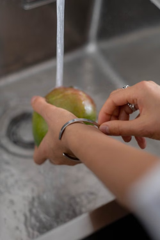
Not necessarily! For many durable gemstone jewelry, occasional contact with clean water during hand washing is usually fine. You do not need to worry every time you wash your hands.
Just be mindful to:
Use mild soap instead of harsh cleaning products. Rinse away soap that collects around the stone. Dry your jewels gently with a soft cloth. Check occasionally for any loose stones or buildup.
The metal matters, too. Sterling silver can tarnish, while gold-plated jewelry and gold vermeil can lose their outer gold layer with repeated wear and exposure. Solid gold is generally more resistant to tarnishing, but harsh chemicals can still cause problems. Normal hand washing is not something to stress about, but drying your jewelry properly is a good habit.
What If Your Gemstone Has Been Treated?
Some gemstones are dyed, coated, stabilized, or filled to improve their appearance. These treatments may make them more sensitive to water, chemicals, or certain cleaning methods. Even a gemstone that is normally durable may need special care if it has been treated.
If you are unsure about the origins of the gemstone, check the seller’s care instructions or ask a jeweler. This is especially important when buying gemstone jewelry online because the product description may not explain every detail about the stone or its treatment. Better to be safe than sorry.
What Should You Do If Your Ring Gets Wet?
First of all: Do NOT panic! A little water does not automatically mean your ring is damaged. Here is what you can do:
- Dry it gently. Use a clean, soft cloth to remove moisture.
- Avoid strong heat. Do not use a hair dryer or expose the ring to sudden temperature changes.
- Check the setting. Look for loose stones, cracks, or changes in appearance.
- Clean it carefully. Choose a cleaning method suitable for your particular gemstone and metal.
- Ask a jeweler if needed. If the stone looks different or feels loose, get it checked before wearing it again.
Gemstone rings won’t fall apart from a single drop of water, but they still need a little love and care! It’s best to take them off before showering, swimming, or using harsh chemicals and learn what works best for each stone. With a few simple habits, these gems can stay shiny and beautiful for years. Some gemstones and metals can naturally change or tarnish over time, so a little extra care and attention can go a long way in keeping them looking their best!
https://katekoel.com/blogs/good-read-jewelry-journal/can-i-wear-jewelry-in-shower-pool
https://mejuri.com/ph/en/support/jewelry-care1
https://www.jewelers.org/buying-jewelry/jewelry-repair-and-care/jewelry-care
https://www.cartier.com/en-ca/services/jewelry/day-to-day-advice/care-recommendations