
State fossils, which began in 1974 with the saber-toothed cat, Smilodon californicus, in California, are a way for states to highlight the prehistoric creatures that once roamed or swam in different regions of America. After the first state fossil was named, these designations took off from there. In the 1980s, states began in earnest to add fossils to their list of designated symbols. In many cases, school teachers and students suggested the state fossils. These fossils are not necessarily the most common finds in the state, but they are ostensibly the most famous or well-known.
Key Takeaways
- State fossils are official symbols that recognize important prehistoric plants, animals, tracks or other fossilized remains found within a state.
- California became the first state to designate an official state fossil in 1974 when it selected the saber-toothed cat Smilodon californicus.
- Many state fossil designations were proposed by students, teachers and local fossil enthusiasts.
- State fossils range from dinosaurs and mammoths to trilobites, petrified wood, fossil plants and even dinosaur footprints.
- Some states recognize more than one fossil symbol, including separate vertebrate, terrestrial or marine fossils.
- State fossils help preserve paleontological heritage and encourage interest in earth science and natural history.
State Fossils from A to Z
Below is a comprehensive list of official state fossils, organized alphabetically. A good list to keep on hand!
State Fossils A–F
Alabama: In 1984, Alabama designated Basilosaurus cetoides, a prehistoric whale of the Eocene.
Alaska: In 1986, Alaska designated Mammuthus primigenius, the Pleistocene woolly mammoth.
Arizona: In 1988, Arizona designated Araucarioxylon arizonicum, a petrified wood of the Triassic.
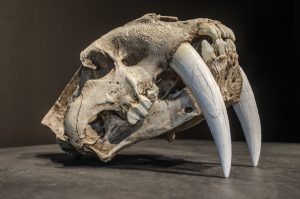
California: The Pleistocene Smilodon californicus is the famous saber-toothed cat generally found in the LaBrea Tar Pits.
Colorado: In 1982, Colorado designated the Jurassic spiked tail Stegosaurus stenops.
Connecticut: Because of the large number of dinosaur trackways discovered there, in 1991, Connecticut designated Eubrontes giganteus, a dinosaur footprint.
Delaware: In 1996, Delaware designated the Cretaceous Belemnitella americana.
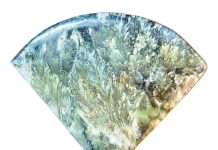
Florida: The Florida state fossil is pending approval — the Eocene echnoid, Eupatagus antillarium, AKA a Sea Biscuit. Florida’s agatized coral, the official state stone, is also considered a fossil.
State Fossils G–M
Georgia: In 1976, Georgia designated the Cretaceous to Miocene shark tooth.
Idaho: In 1988, Idaho designated Equus simplicidens, a Pliocene-aged horse.
Illinois: In 1989, Illinois designated the Pennsylvanian soft-bodied “Tully Monster,” Tullimonstrum gregarium. It was originally found in 1958 by Francis Tully.
Kentucky: In 1986, Kentucky adopted the Ordovician to Mississippian brachiopods.
Louisiana: In 1976, Louisiana designated the Oligocene petrified palm wood Palmoxylon.
Maine: In 1985, Maine designated the Devonian vascular plant Pertica quadrifaria. The plants were first discovered in the Trout Valley Formation in 1968 in Baxter State Park.
Maryland: In 1984, Maryland designated the Ecphora quadrocosta a Miocene predatory snail, but there has been a name change. It is now known as Ecphora gardnerae.
Massachusetts: There have been so many different types of Jurassic dinosaur tracks found in Massachusetts that the legislature designated dinosaur tracks in 1980.
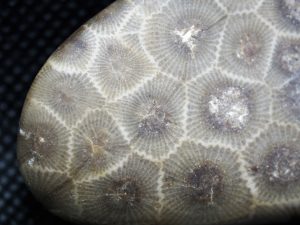
Michigan: In 2002, Michigan designated the Mammut americanum, the Mastodon. The popular “Petoskey Stone”, a polished coral, is the state stone.
Mississippi: In 1981, Mississippi designated two Eocene whales – Basilosaurus cetoides and Zygorhiza kochii.
Missouri: In 1989, Missouri designated the Pennsylvanian age crinoid Delocrinus amissouriensis.
Montana: The Cretaceous duckbilled dinosaur Maiasaura peeblesorum was designated in 1985.
State Fossils N–S
Nebraska: Designated in 1967, Pleistocene Mammoths, Archidiskodon imperator, have been found in nearly every county.
Nevada: Designated in 1977, the Triassic Ichtyosaur marine predatory reptile called Shonisaurus popularis was originally found in 1928.
New Jersey: Designated in 1991, the Cretaceous Hadrosaurus foulkii was originally unearthed in 1858 and was the first mounted dinosaur anywhere in the world in 1868.
New Mexico: Discovered in 1875, New Mexico has the Coelophysis bauri as its state fossil.
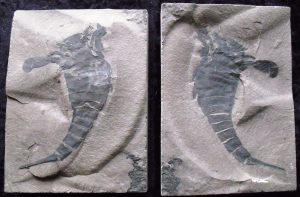
New York: The rare Silurian Sea Scorpion Eurypterus remipes was designated in 1984.
North Carolina: In 2013, North Carolina designated the Carcharodon Megalodon tooth.
North DakotaIn 1967, the Paleocene Teredo petrified wood became the state fossil.
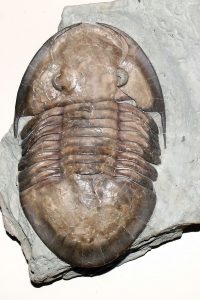
Ohio: In 1985, Ohio designated the Ordovician invertebrate Isotelus maximus trilobite. In 2020, the Devonian Placoderm fish Dunkleosteus terrelli became the state vertebrate fossil.
Oklahoma: In 2000, the Jurassic theropod dinosaur Saurophaganax maximus was designated the state fossil and state dinosaur in 2006.
Oregon: The Miocene conifer leaf Metasequoia, also called “Dawn Redwood,” was designated in 2005.
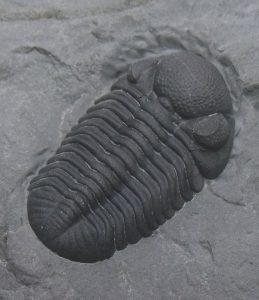
Pennsylvania: In 1988, the Devonian trilobite Phacops rana became the state fossil.
South Carolina: In 2014, the Columbian Mammoth Mammuthus columbi was designated.
South Dakota: In 1988, the Cretaceous three-horned Triceratops horridus ousted the Mesozoic Cycad plant as state fossil.
State Fossils T–W
Tennessee: In 1998, Tennessee designated the Cretaceous Pterotrigonia thoracica bivalve.
Texas: The state dinosaur, Paluxysaurus jonesi, was designated in 2009. The state stone is an Oligocene palm wood fossil.
Utah: The Jurassic predator Allosaurus fragilis was designated the state fossil in 1988 and the state dinosaur in 2018.
Vermont: The Pleistocene Beluga whale, called Delphinapterus leucas, is the state marine fossil. It was originally found in 1849, over 150 miles from the ocean. In 2014, the act was amended to include the state terrestrial fossil, Mammuthus primigenius.
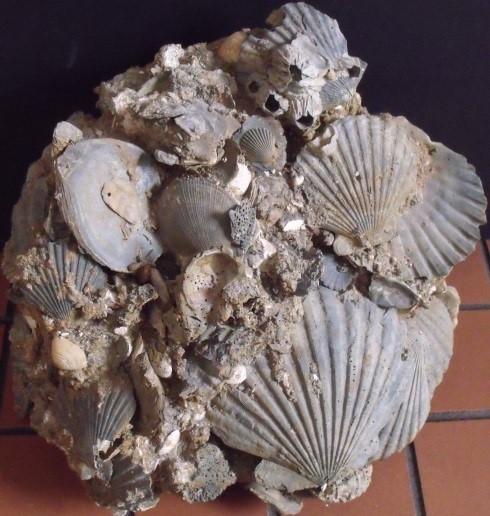
Virginia: In 1993, the Miocene to Pliocene bivalve scallop, Chesapecten jeffersonius, was named.
Washington: In 1998, the Pleistocene Mammuthus columbi mammoth was designated the state fossil, and in 1975, petrified wood became the state gem.
West Virginia: The famous giant ground sloth Megalonyx jeffersoni became the state fossil in 2008. The fossil Mississippian coral is named the state gem.
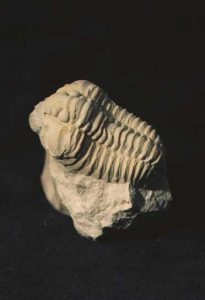
Wisconsin: In 1985, the Ordovician to Silurian age Calymene celebra trilobite was named.
Wyoming: The Herring-like, Eocene age Knightia eocaena fossil fish was designated the state fossil in 1987, and in 1994, Cretaceous Triceratops horridus was designated the state dinosaur.
Note: In Washington, D.C., a single vertebra from the Cretaceous, Capitalsaurus, was discovered in 1898 while doing sewer work. In 1998, it was designated the District of Columbia’s state fossil.
Frequently Asked Questions About State Fossils
What is a state fossil?
A state fossil is an officially designated fossil chosen by a state legislature to represent an important part of the state’s prehistoric history. State fossils may include animals, plants, tracks, shells or petrified wood.
Which state was the first to name an official state fossil?
California was the first state to designate an official state fossil in 1974. The state selected Smilodon californicus, the famous saber-toothed cat found in the La Brea Tar Pits.
Are state fossils always dinosaurs?
No. While some states chose dinosaurs, many selected other prehistoric organisms such as mammoths, trilobites, whales, shark teeth, fossil plants and marine invertebrates.
Which states have dinosaur state fossils?
Several states have designated dinosaurs as state fossils or state dinosaurs, including Colorado (Stegosaurus), Montana (Maiasaura), South Dakota (Triceratops), Utah (Allosaurus), Wyoming (Triceratops as state dinosaur) and Oklahoma (Saurophaganax).
Can a state have more than one official fossil?
Yes. Some states recognize multiple fossil symbols. For example, Ohio has both an official state fossil (Isotelus maximus) and an official state vertebrate fossil (Dunkleosteus terrelli). Vermont recognizes both marine and terrestrial state fossils.
Why do states designate official fossils?
State fossils promote awareness of local paleontology, preserve scientific heritage and encourage students and visitors to learn about the prehistoric life that once existed in the region.
Conclusion
From trilobites and mammoths to dinosaurs and ancient whales, state fossils showcase the remarkable prehistoric history preserved across the United States. Whether they represent a famous discovery, an important fossil site or a species closely tied to a state’s heritage, these official symbols help connect modern residents with life from millions of years ago. Use this guide to compare state fossils from coast to coast and discover the ancient creatures that once inhabited your region.
This story about state fossils previously appeared in Rock & Gem magazine. Click here to subscribe. Story by Joseph J. “PaleoJoe” Kchodl.